









The 4 Cs of Diamonds
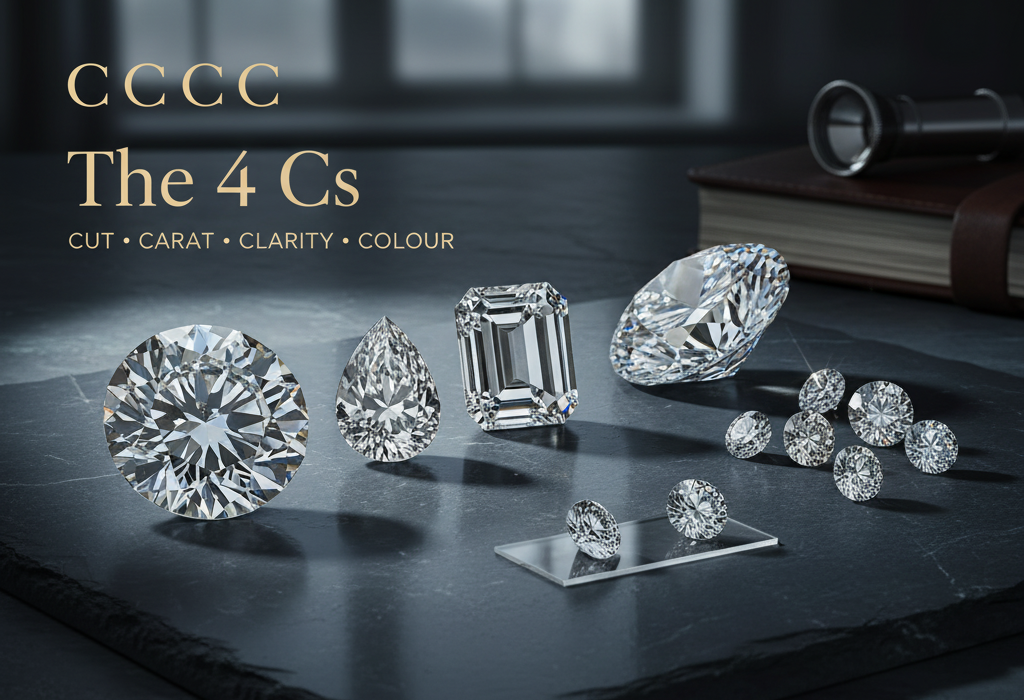
Not all diamonds are equal, their value is determined by 4 main characteristics known as: "the 4 Cs" of a diamond: Cut – Carat – Clarity – Colour.
A diamond can never be valued by a single characteristic, the value of this gem is determined by all of them together.
Cut
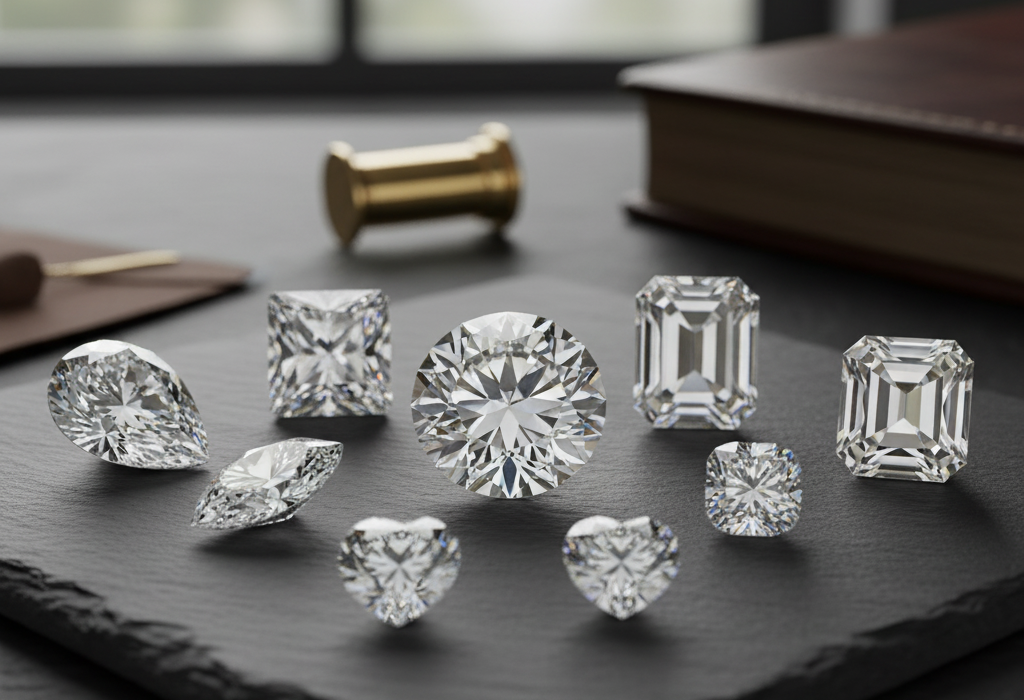
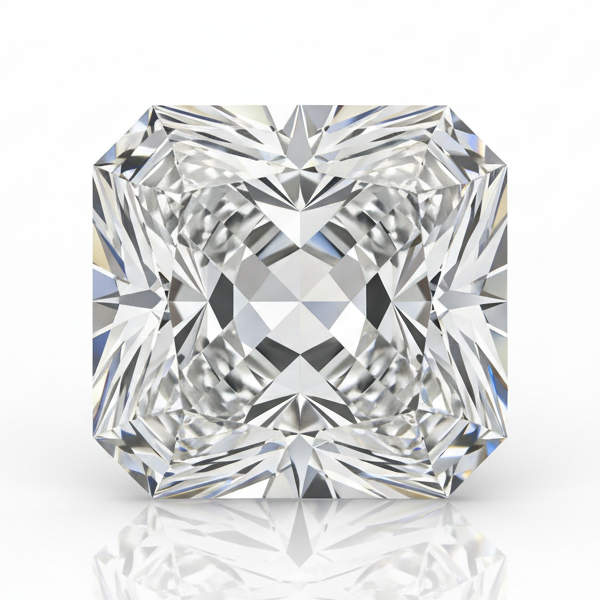
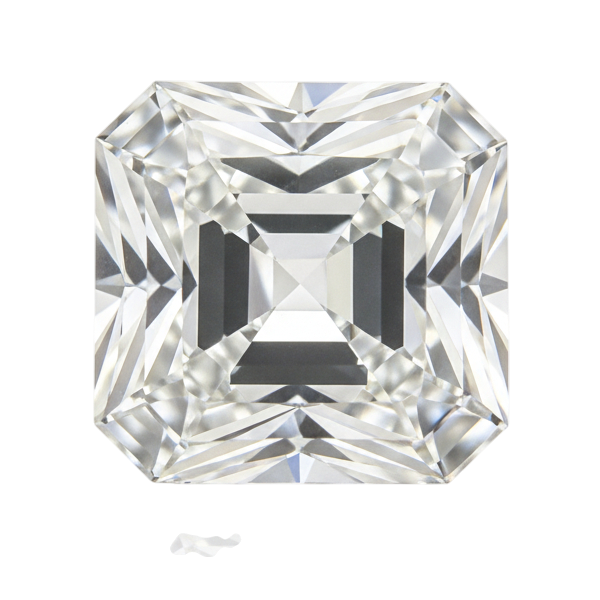
The measurement of a diamond's cut depends on the cutting method. The most common shape is the "brilliant" cut.
This cut has a round shape and consists of 58 facets. The facets create angles large enough to reflect light in an exceptionally brilliant way.
If cut too deep, or in incorrect proportion from a technical point of view, the light will not have enough layers to shine evenly, making it less eye-catching.
.png)
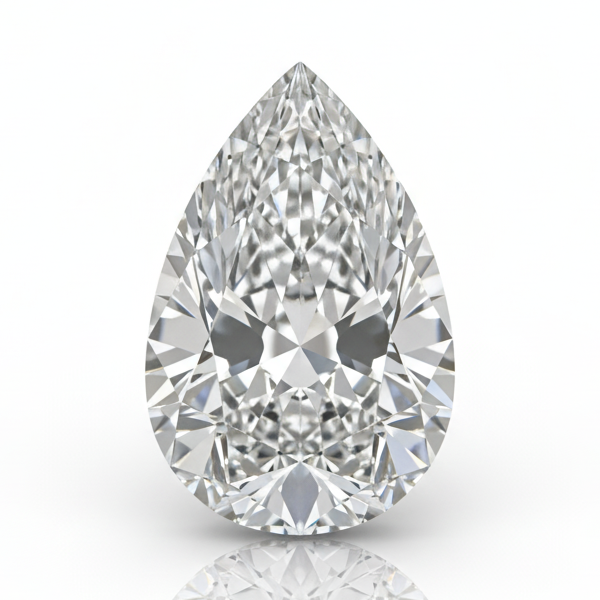
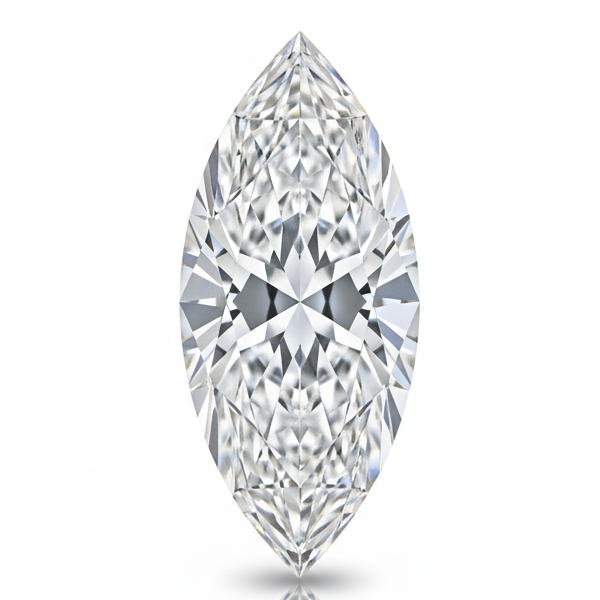
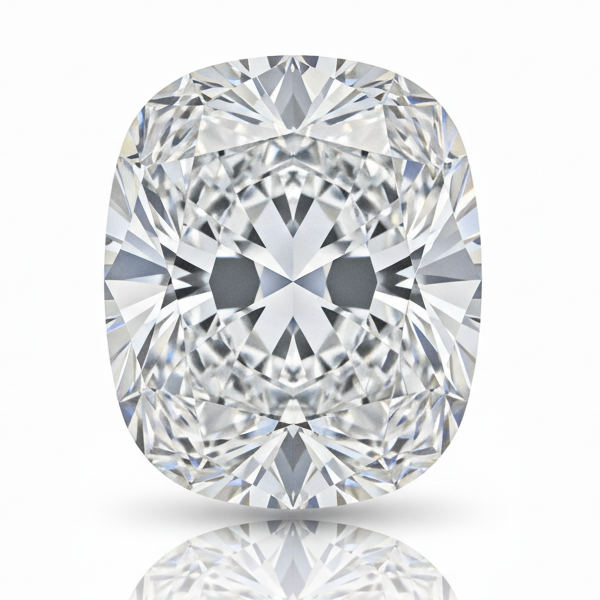
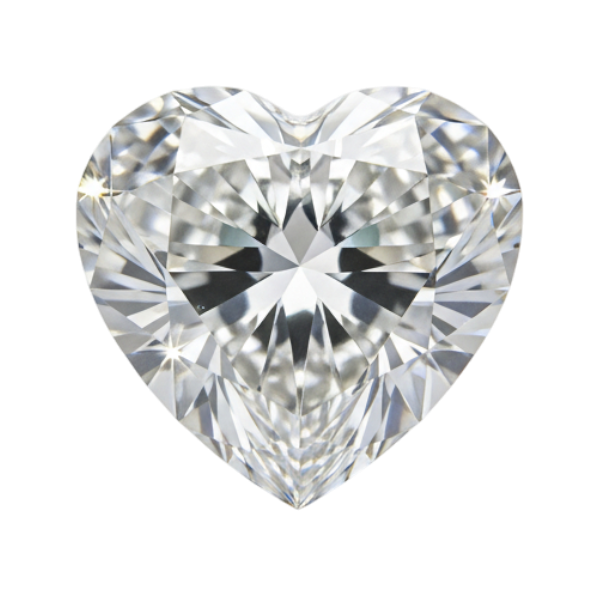
Weight - Size
The weight of all cut gems is expressed in carats. The carat is a basic or essential unit of measurement. It is expressed in decimal form and specifies the carat weight of a diamond. However, a complete description is necessary. It is possible that two similar 1ct diamonds can have very different values depending on their clarity, cut and color.
One carat equals one fifth of a gram; that is, the equivalent of 200mg would be 1ct or 0.20g.
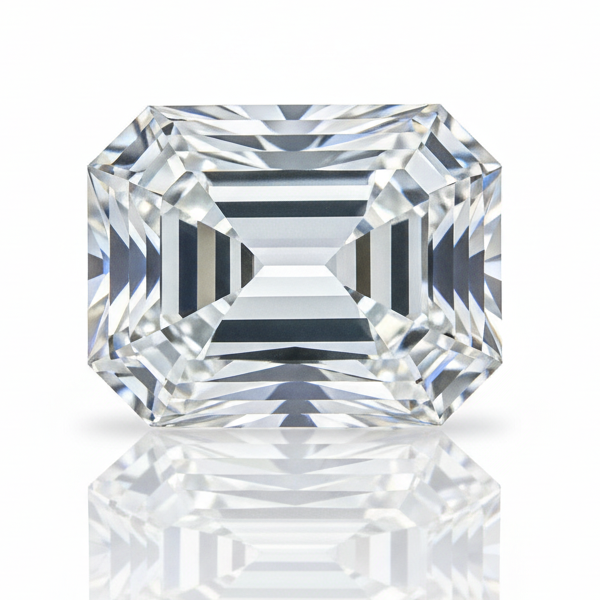
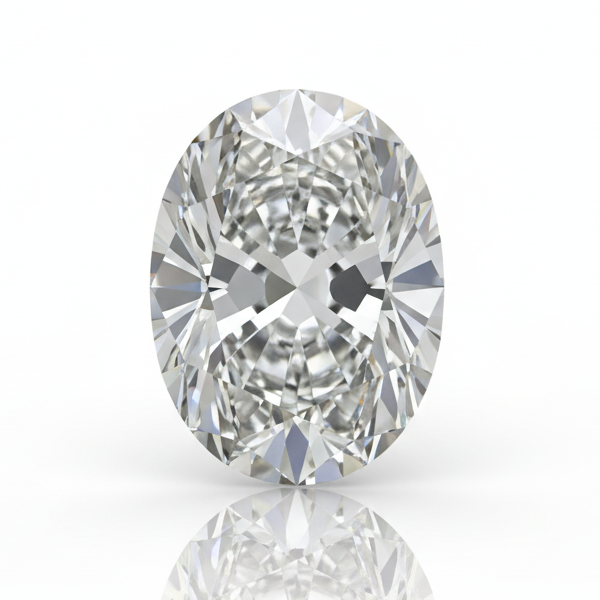
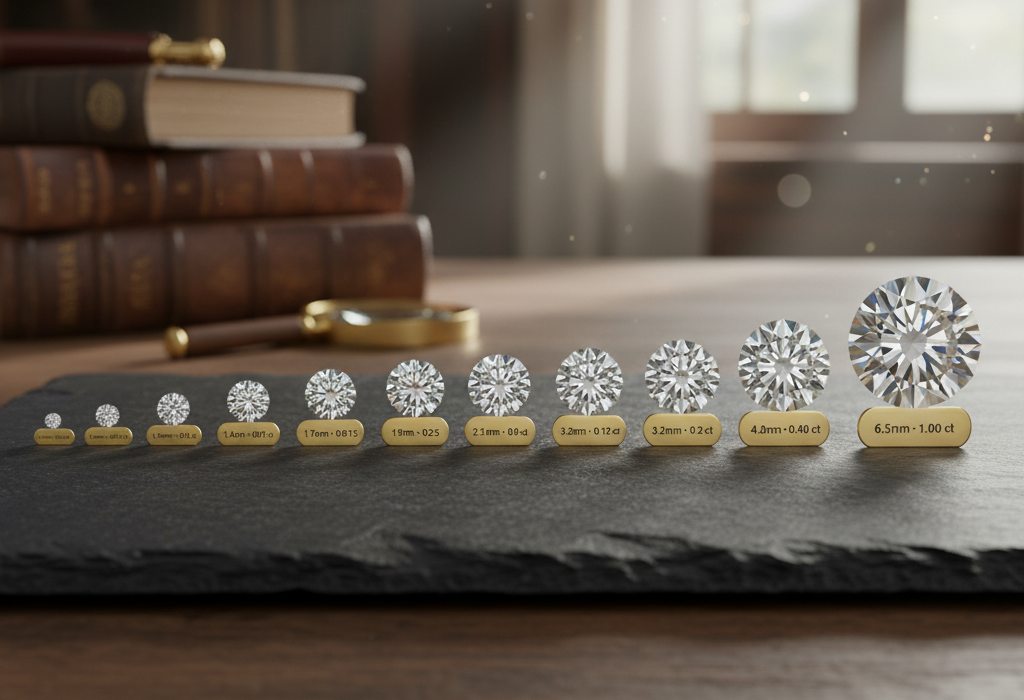
The table shown provides an equivalence table of weight and size in mm for diamonds used in jewelry.
| 0.005 ct | 0.01 ct | 0.015 ct | 0.02 ct | 0.025 ct | 0.03 ct | 0.035 ct | 0.04 ct | 0.045 ct | 0.05 ct | 0.06 ct | 0.07 ct | 0.08 ct | 0.09 ct | 0.10 ct | 0.15 ct | 0.20 ct | 0.25 ct | 0.30 ct | 0.35 ct | 0.40 ct | 0.45 ct | 0.50 ct | 0.60 ct | 0.70 ct | 0.80 ct | 0.90 ct | 1.0 ct |
|
|
|
|
|
|
|
|
|
|
|
|
|
|
|
|
|
|
|
|
|
|
|
|
|
|
|
|
|
| 1.0mm | 1.3mm | 1.5mm | 1.7mm | 1.9mm | 2.0mm | 2.1mm | 2.2mm | 2.3mm | 2.4mm | 2.6mm | 2.7mm | 2.8mm | 2.9mm | 3.0mm | 3.5mm | 3.8mm | 4.0mm | 4.3mm | 4.6mm | 4.8mm | 5.0mm | 5.2mm | 5.5mm | 5.8mm | 6.1mm | 6.3mm | 6.5mm |
Clarity
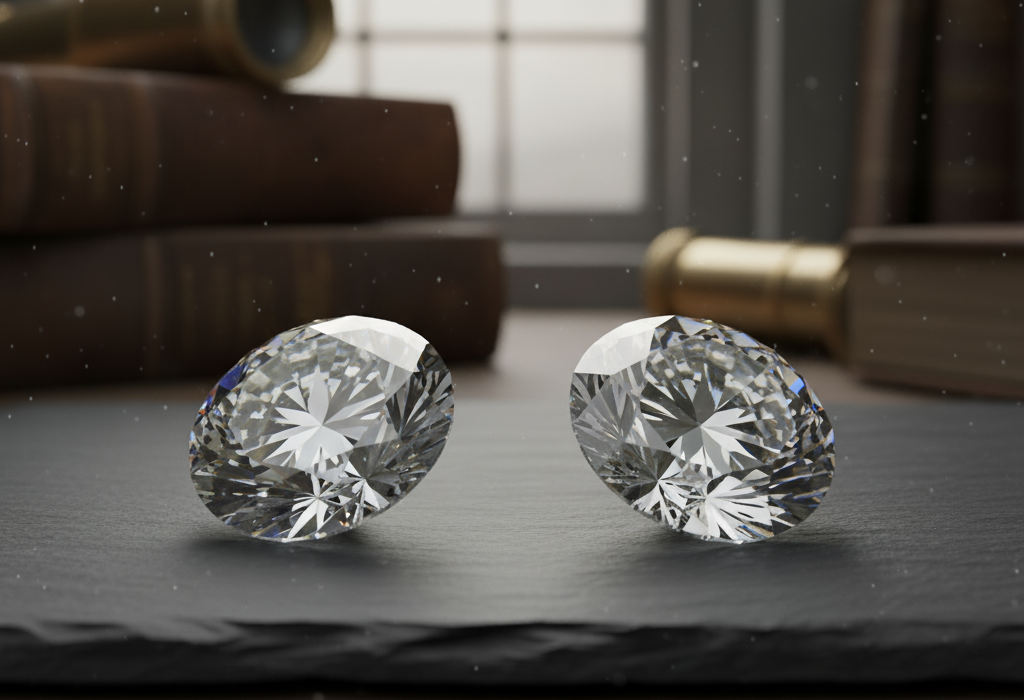
In the crystallization process of Diamonds, Nature leaves micro-scars. These are imperfections that influence the value of a Stone or Jewel. These natural characteristics (also called inclusions).
A diamond that lacks the "small scars" we have explained, or where these are extremely difficult to see, is rare and therefore has more value.
Clarity standards are set based on the number and type of external imperfections (cleanliness) and also internal ones (purity).
| Grade | Description | Characteristics |
|---|---|---|
| IF | Internally Flawless | Internal perfection, no internal characteristics |
| VVS1 VVS2 |
Very Very Small Inclusion | Inclusions visible with difficulty with a 10X loupe |
| VS1 VS2 |
Very Small Inclusion | Small inclusions. Rarely visible to the naked eye |
| SI1 SI2 |
Small Inclusion | Inclusions visible with a 10X loupe |
| P1 | Piqué 1 | Visible inclusions, does not affect brilliance |
| P2 | Piqué 2 | Large inclusions visible to the naked eye |
| P3 | Piqué 3 | Very visible inclusions |
Color
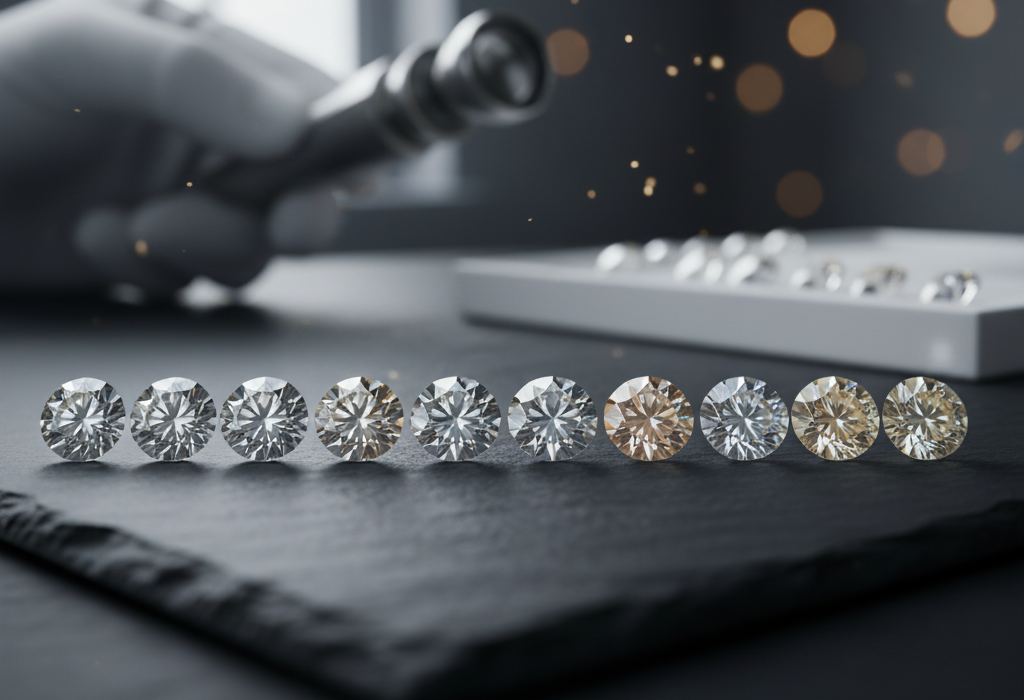
Although most diamonds appear colorless, they almost always have an invisible yellow tint that also influences value.
Classifying a diamond according to its color requires evaluations that only experts can perform. The process is carried out under very intense light conditions and with master reference diamonds.
The classification provided uses the two most common systems used in the world diamond market.
| GIA | SCAN | CIBJO-IDC |
|---|---|---|
| D - E | River | Exceptional White |
| F - G | Top Wessleton | Extra White |
| H | Wessleton | White |
| I | Top Crystal | Slightly Tinted White |
| J | Crystal | White |
| K - L | Top Cape | Slightly Colored |
| M - N | Cape | Colored |